|
|
|
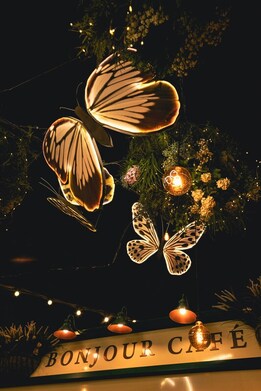
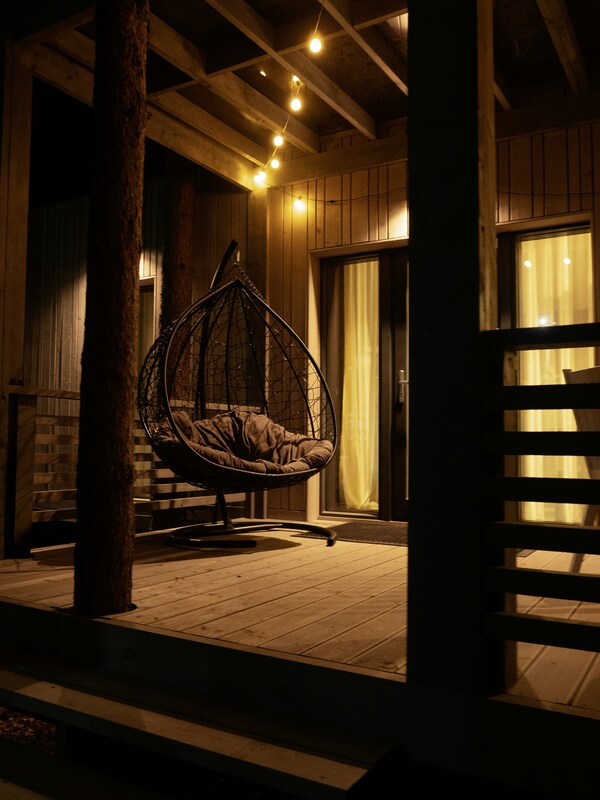
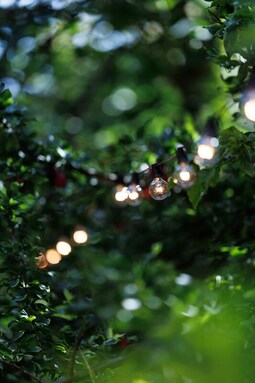
Fairy lights are those little lights people use to make things look pretty. They're often LEDs and are good for adding a nice vibe to homes, parties, events, and even outside spaces. You can find them in tons of styles, lengths, and colors, and they do different things.
Here’s the lowdown:
What They're Made Of:
Lights: Normally LEDs (they don't use much power and last long). Sometimes they're old-school bulbs.
Power: Usually low voltage (like 3V–12V) to keep things safe.
How They Work: You can plug them in or use batteries.
Outside Use: Some can handle rain.
Types of Fairy Lights
How They Get Power:
Batteries: Easy to move around. Great for centerpieces or spots without plugs.
USB: Plug into power banks, computers, etc.
Plugs: Best if you want them up all the time.
Solar: Good for gardens, saves energy.
What They Look Like:
Strings: Just a line of lights. These can be bent to your will.
Nets: Lights in a square pattern. Toss them over bushes or fences.
Curtains: Hang down like curtains. Cool for windows or party backgrounds.
Icicles: Hang down in different lengths, like ice. You see these a lot in winter.
Clusters: Lots of lights packed together for a bright look.
Shapes: Stars, moons, whatever you want.
Colors and Modes:
Single Color: Just one color (like warm white or blue).
Multicolor: A few colors together.
Color-Changing: The lights shift smoothly through colors.
Light Settings:
On all the time
Blinking
Fading in and out
One light after the other
Mixed settings (some let you pick)
What They’re Made Of:
Wires:
Copper: Easy to bend, carries power well, often covered in green or clear stuff.
PVC: Tough, water-safe, for outdoor lights.
Lights:
LED: Saves power, doesn’t get hot, lasts a while.
Old Bulbs: Have a warmer light, but use more power and get hot.
Protection:
Look for IP numbers to know if they can handle water (IP65 or higher is good for outside).
How to Use Them:
Inside:
Hang them on walls, headboards, shelves, or mirrors.
Put them in jars or bottles.
String them across ceilings or furniture.
Outside:
Wrap them around trees, bushes, fences, or decks.
Light up walkways or gardens.
Use them on balconies, patios, or for parties.
Tips:
Keep them away from heat if they can't handle it.
Hide the wires to make it look nicer.
Use clips or tape to hold them up without wrecking anything.
Putting Them Up Safely:
Inside:
Use batteries or low voltage if you have kids or pets.
Don't plug too many into one outlet.
Outside:
Get lights that can handle water.
Keep the wires off the ground to avoid water.
Turn them off if it's pouring rain (unless they're super waterproof).
Generally:
Check for ripped wires first.
Don't use lights that are broken.
Don't cover them with stuff that could catch fire.
Keeping Them Clean:
Wipe them with a soft, dry cloth.
Don't use water (unless they're waterproof).
Storing Them:
Coil them gently so they don't tangle.
Keep them in a cool, dry spot.
Replacing Parts:
See if you can replace the bulbs on LED strings.
If the wires are messed up, don't try to fix it unless you know what you're doing.
Cool Ideas:
Holidays: Halloween, Diwali, Christmas, weddings, you name it.
DIY Stuff: Light-up jars, photo displays, or lanterns.
Photos: Use them for soft lighting in the background
Atmosphere: Bedroom, study, or dinner table.
Why They're Great:
Don't use much power.
Work anywhere: inside, outside, for a little while, or forever.
Cheap and easy to put up.
Make things look nicer instantly.
Last a long time if they're LEDs.
Things to Watch Out For:
Plugging too many into one spot (could cause a problem).
Using lights that are only for inside, outside (they'll break).
Not paying attention to the instructions.
Not securing the wires (someone could trip).
Here’s the lowdown:
What They're Made Of:
Lights: Normally LEDs (they don't use much power and last long). Sometimes they're old-school bulbs.
Power: Usually low voltage (like 3V–12V) to keep things safe.
How They Work: You can plug them in or use batteries.
Outside Use: Some can handle rain.
Types of Fairy Lights
How They Get Power:
Batteries: Easy to move around. Great for centerpieces or spots without plugs.
USB: Plug into power banks, computers, etc.
Plugs: Best if you want them up all the time.
Solar: Good for gardens, saves energy.
What They Look Like:
Strings: Just a line of lights. These can be bent to your will.
Nets: Lights in a square pattern. Toss them over bushes or fences.
Curtains: Hang down like curtains. Cool for windows or party backgrounds.
Icicles: Hang down in different lengths, like ice. You see these a lot in winter.
Clusters: Lots of lights packed together for a bright look.
Shapes: Stars, moons, whatever you want.
Colors and Modes:
Single Color: Just one color (like warm white or blue).
Multicolor: A few colors together.
Color-Changing: The lights shift smoothly through colors.
Light Settings:
On all the time
Blinking
Fading in and out
One light after the other
Mixed settings (some let you pick)
What They’re Made Of:
Wires:
Copper: Easy to bend, carries power well, often covered in green or clear stuff.
PVC: Tough, water-safe, for outdoor lights.
Lights:
LED: Saves power, doesn’t get hot, lasts a while.
Old Bulbs: Have a warmer light, but use more power and get hot.
Protection:
Look for IP numbers to know if they can handle water (IP65 or higher is good for outside).
How to Use Them:
Inside:
Hang them on walls, headboards, shelves, or mirrors.
Put them in jars or bottles.
String them across ceilings or furniture.
Outside:
Wrap them around trees, bushes, fences, or decks.
Light up walkways or gardens.
Use them on balconies, patios, or for parties.
Tips:
Keep them away from heat if they can't handle it.
Hide the wires to make it look nicer.
Use clips or tape to hold them up without wrecking anything.
Putting Them Up Safely:
Inside:
Use batteries or low voltage if you have kids or pets.
Don't plug too many into one outlet.
Outside:
Get lights that can handle water.
Keep the wires off the ground to avoid water.
Turn them off if it's pouring rain (unless they're super waterproof).
Generally:
Check for ripped wires first.
Don't use lights that are broken.
Don't cover them with stuff that could catch fire.
Keeping Them Clean:
Wipe them with a soft, dry cloth.
Don't use water (unless they're waterproof).
Storing Them:
Coil them gently so they don't tangle.
Keep them in a cool, dry spot.
Replacing Parts:
See if you can replace the bulbs on LED strings.
If the wires are messed up, don't try to fix it unless you know what you're doing.
Cool Ideas:
Holidays: Halloween, Diwali, Christmas, weddings, you name it.
DIY Stuff: Light-up jars, photo displays, or lanterns.
Photos: Use them for soft lighting in the background
Atmosphere: Bedroom, study, or dinner table.
Why They're Great:
Don't use much power.
Work anywhere: inside, outside, for a little while, or forever.
Cheap and easy to put up.
Make things look nicer instantly.
Last a long time if they're LEDs.
Things to Watch Out For:
Plugging too many into one spot (could cause a problem).
Using lights that are only for inside, outside (they'll break).
Not paying attention to the instructions.
Not securing the wires (someone could trip).